Young Roman martyr (died about 304), honored for her purity and courage.
Who she was
Agnes was a girl of about twelve or thirteen in Rome who had given her life to Christ. She refused to marry and would not offer sacrifice to the Roman gods, and she was martyred, killed for her faith, probably around 304. She is buried on the Via Nomentana in Rome, where a church in her honor stands, and she is one of the women named in the oldest Eucharistic Prayer of the Mass.
The lamb
Her name sounds like the Latin agnus, lamb, so she is shown holding a lamb. On her feast two lambs are blessed in Rome; their wool is woven into the pallium, a band of white wool the Pope gives to new archbishops.
Why she matters
The early Church admired the courage of a child who would not give up Christ. St. Ambrose and Pope St. Damasus both wrote in her praise. She is a patron of girls and young people.
Related
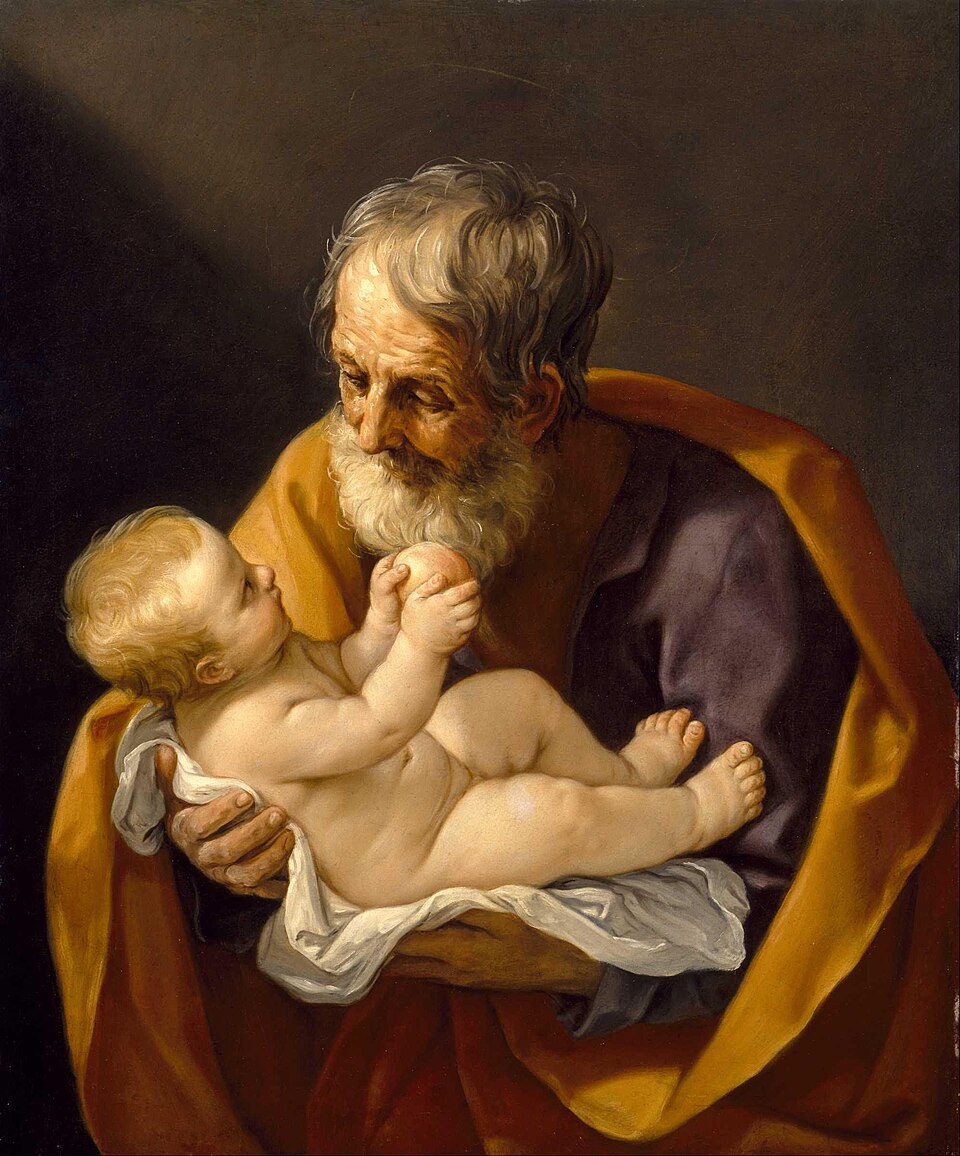 St. JosephHusband of the Virgin Mary and foster father of Jesus; patron of the universal Church.
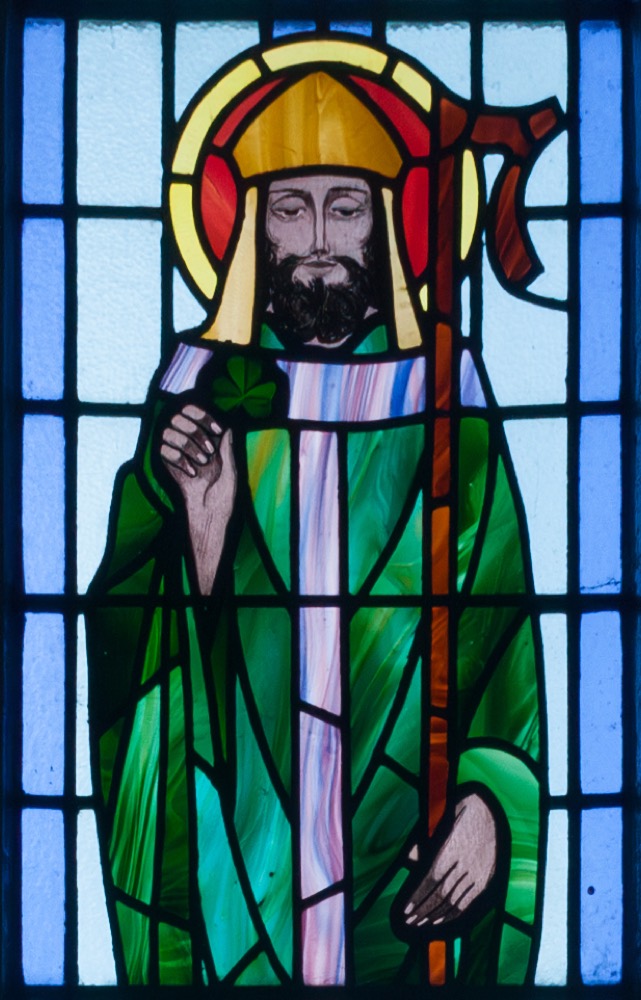 St. PatrickFifth-century missionary bishop of Ireland.
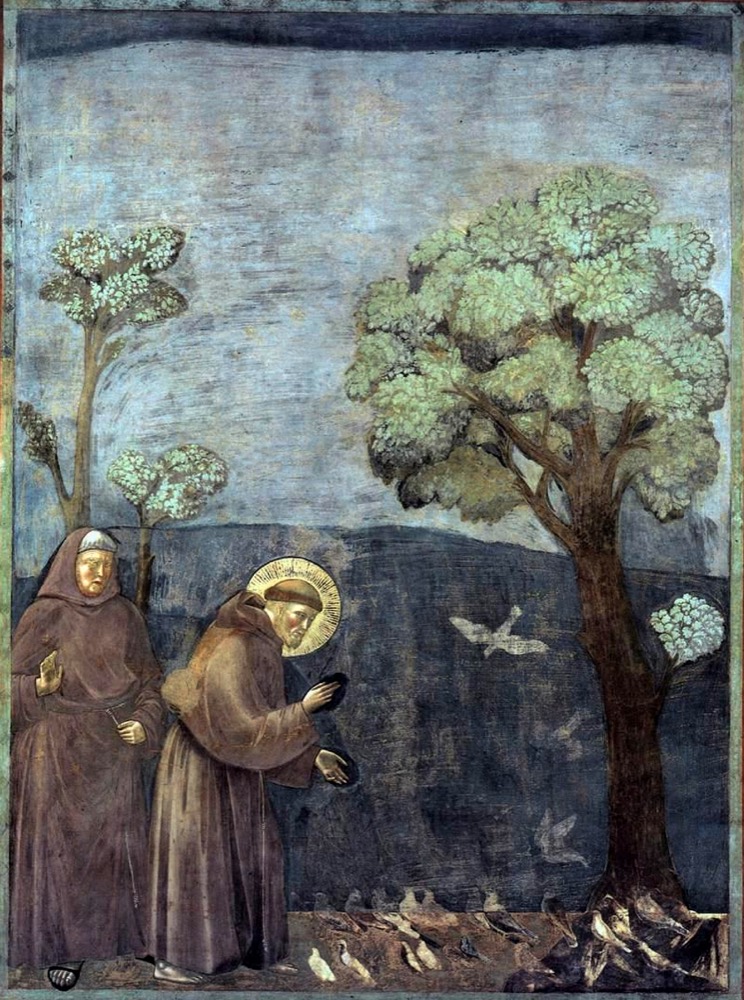 St. Francis of AssisiFounder of the Franciscans, who lived in poverty and preached the Gospel (died 1226).
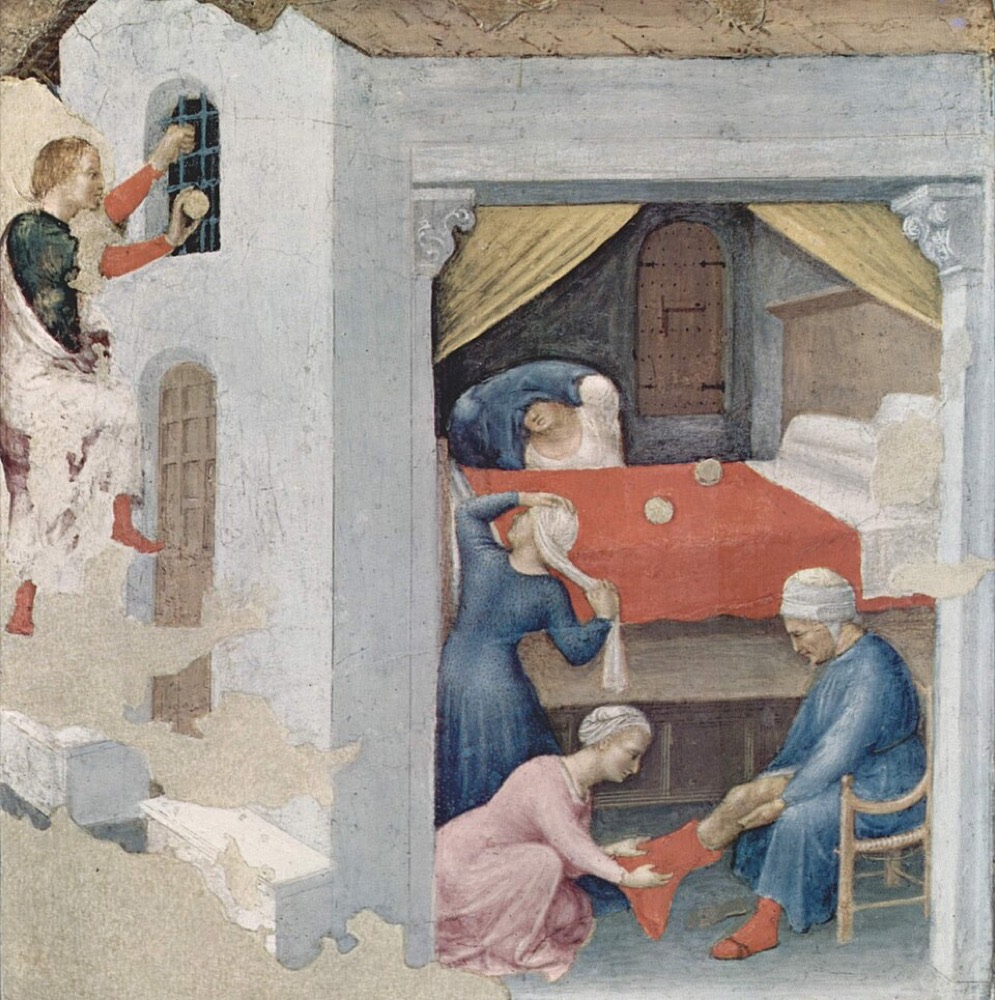 St. NicholasFourth-century bishop of Myra, remembered for his secret gifts.
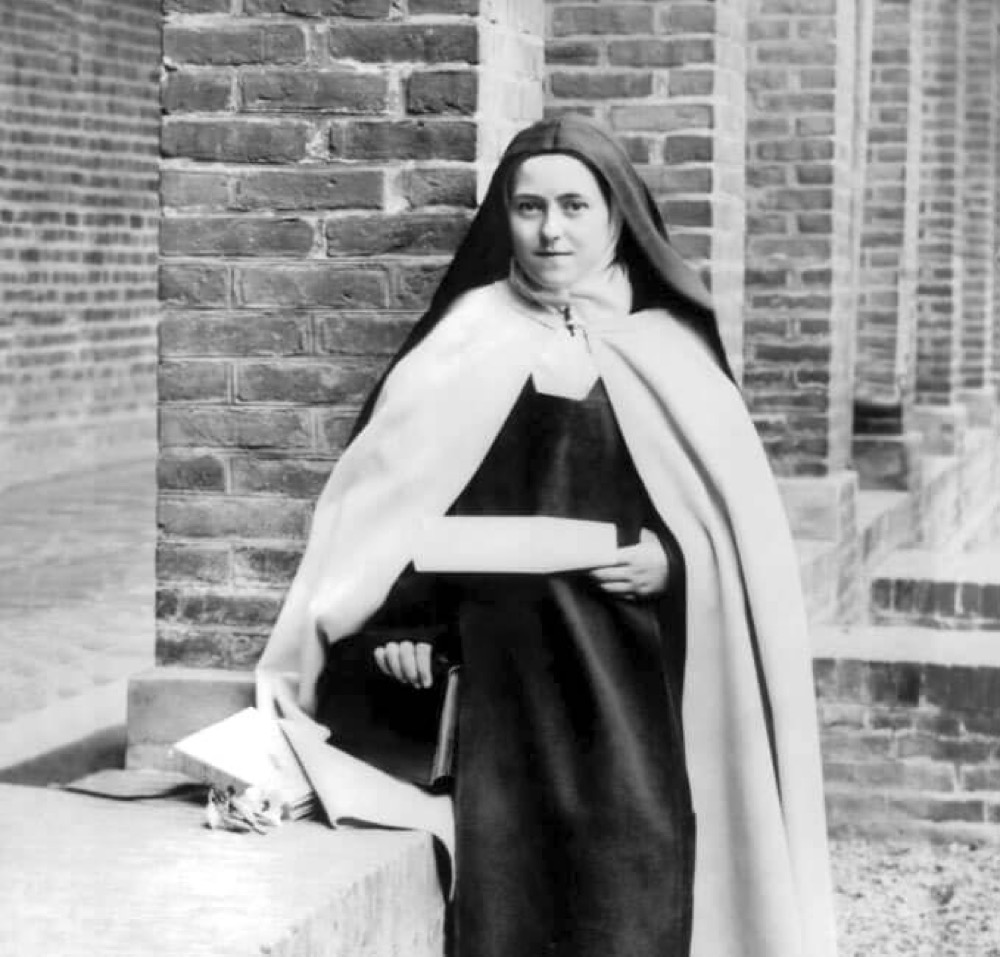 St. Thérèse of LisieuxCarmelite nun and Doctor of the Church, known for her little way of trust and love (died 1897).
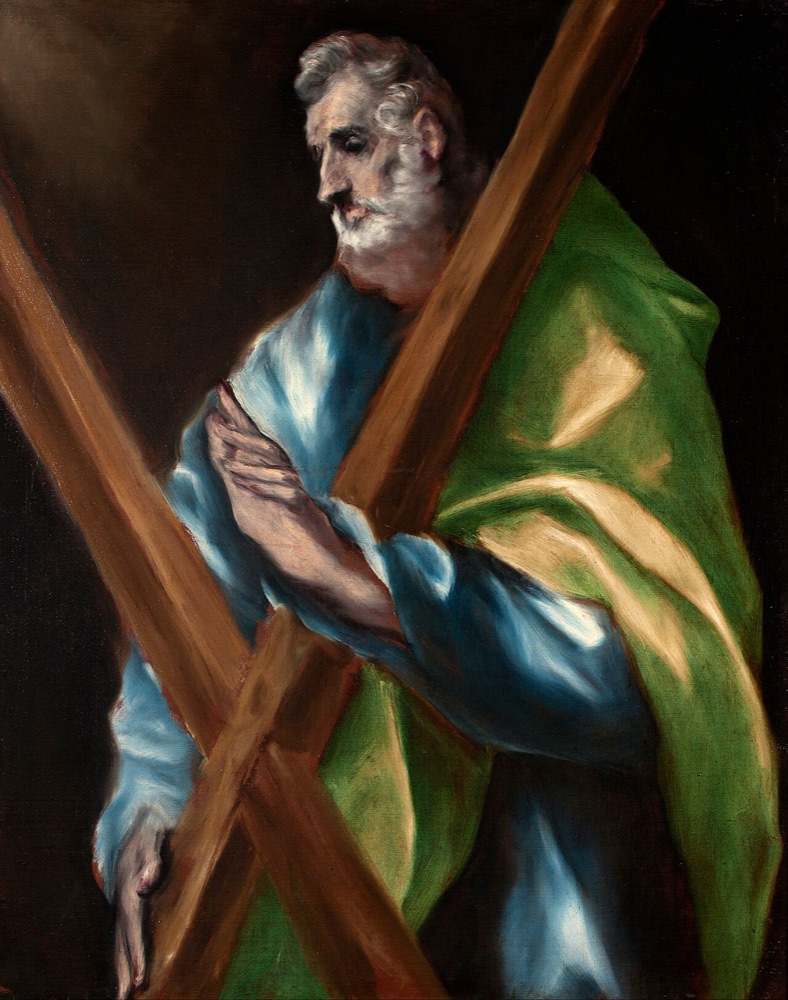 St. AndrewApostle and fisherman of Galilee, the brother of St. Peter, who brought Peter to Jesus.
Sources: General Roman Calendar (January 21); Roman Missal, Eucharistic Prayer I.